Three Weeks in Singapore: Reflections from a Workation
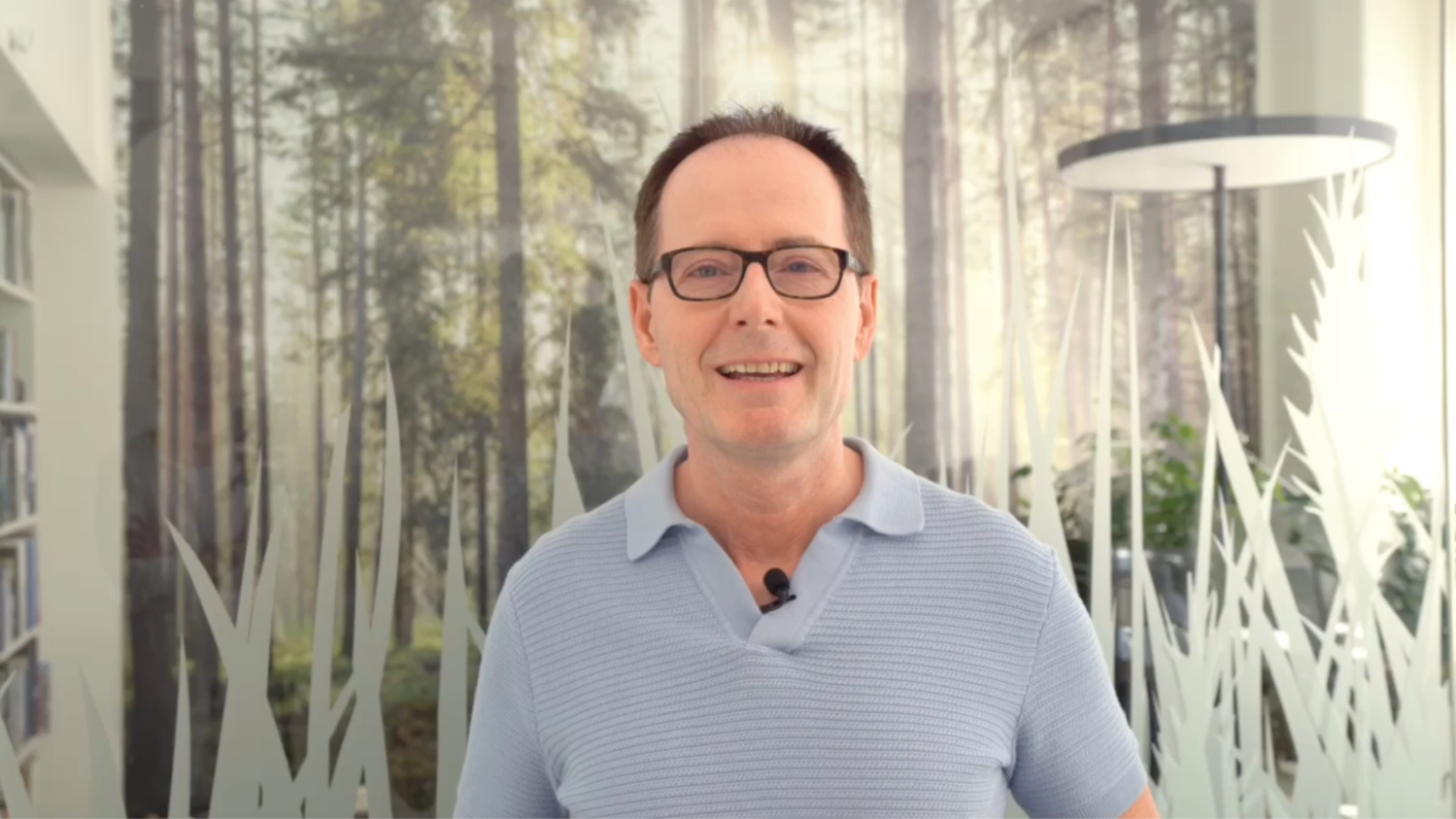
For the first time, our executive director Stefan Camenzind spent three weeks working remotely from Singapore – an opportunity to experience the city from a different perspective, not only as a visitor, but as part of its everyday working life.
The resulting movies bring together personal reflections on remote working as well as observations on some of the ideas that shape Singapore: the close integration of nature and urban infrastructure, public housing as a long-term urban strategy, and architecture that supports new forms of learning and collaboration.
Learnings
Three weeks of working remotely offered Stefan Camenzind the opportunity to experience Singapore not only as a visitor, but also as a temporary place of work and everyday life. This first video provides a short summary of the experience: what worked well, what proved challenging and which lessons Stefan is taking back with him.

Urban Nature
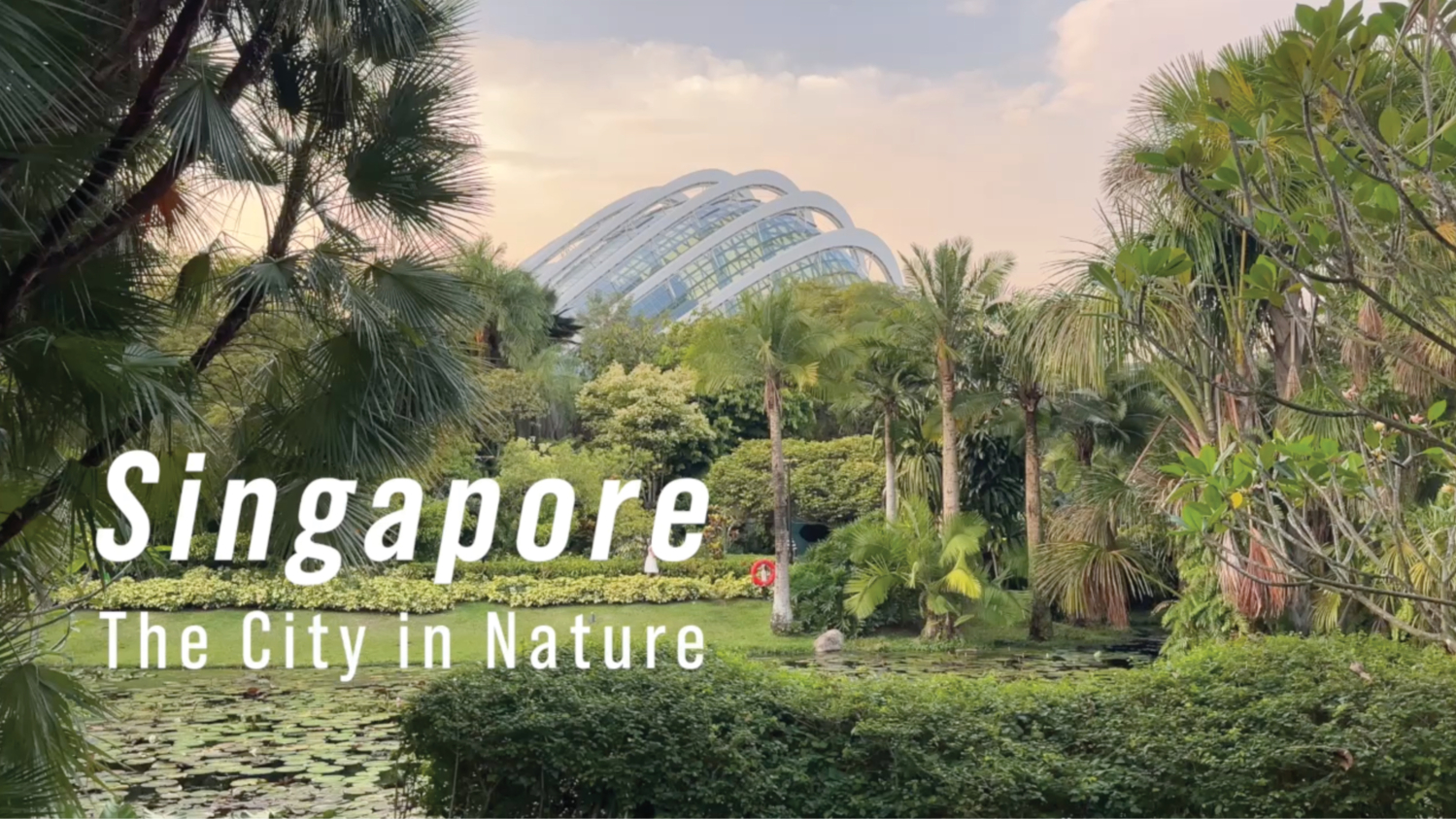
One of the most striking impressions from Stefan's workation was how deeply nature is integrated into Singapore’s urban environment.
Since the 1960s, greenery has been deliberately woven into the fabric of the city through trees, rooftop gardens, parks and nature reserves. It is not treated simply as decoration, but as an essential part of an urban environment designed around people’s needs.
Physically, the greenery helps to cool the tropical climate and makes streets more walkable. Mentally, it transforms a dense and fast-moving city into a place that feels calm and human. Strategically, it has also played a central role in shaping Singapore’s identity and quality of life.
This movie captures the essence of Singapore: a city where people, nature and infrastructure grow together.
Public Housing
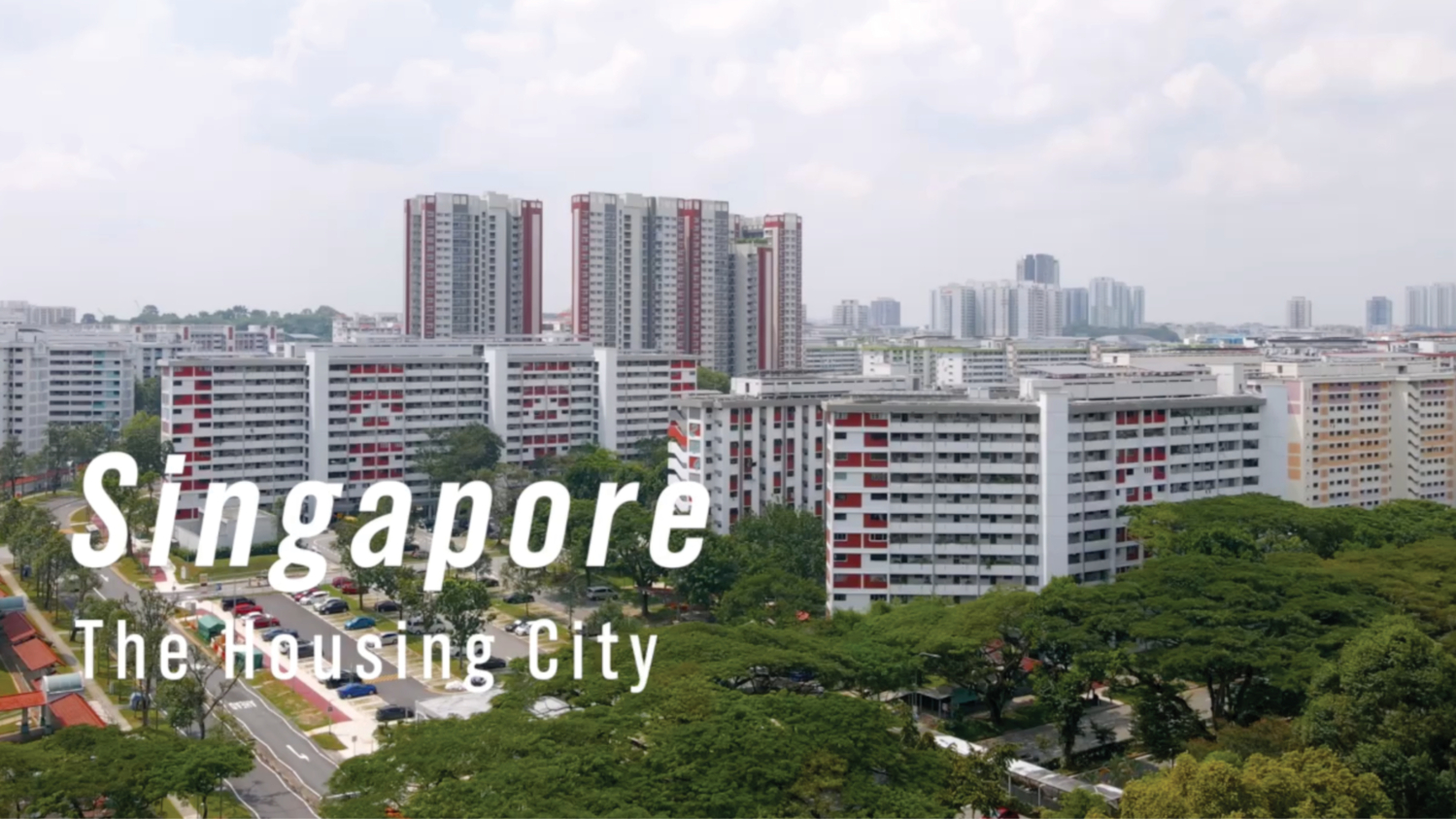
During Stefan’s time in Singapore, one element of the city appeared again and again: public housing.
Around 80 per cent of Singapore’s population lives in state-developed housing. These homes form part of carefully planned neighbourhoods in which schools, markets, parks, public transport and other everyday amenities are closely integrated.
What stands out is the effect this creates. Because housing is accessible across the island, people live throughout the city rather than being pushed exclusively towards its outskirts. This contributes significantly to Singapore’s energy, diversity and everyday urban life.
This movie explores public housing as a long-term design project and demonstrates what can be achieved when a city approaches housing with consistency, ambition and care.
The Hive
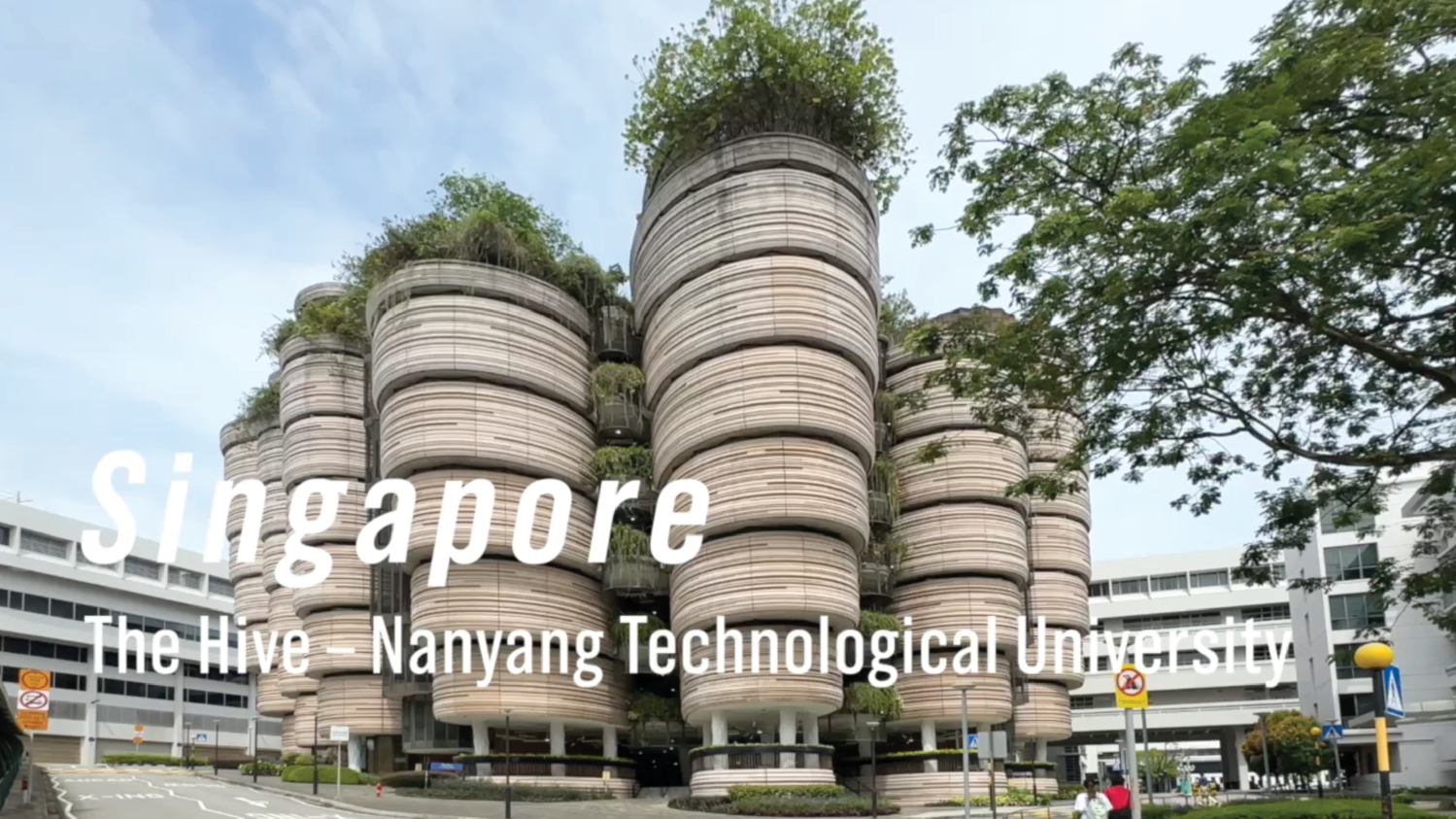
Stefan’s three-week workation also provided many architectural impressions, including a visit to The Hive at Nanyang Technological University.
Designed by Heatherwick Studio, the building rethinks how a university campus can support learning. Its circular towers and cornerless classrooms are intended to encourage collaboration, interaction and informal exchange. The building also incorporates passive design strategies and natural ventilation, reducing the need for conventional air conditioning in many of its spaces.
This last movie captures the essence of The Hive: a place where architecture reshapes how people learn and meet, offering valuable inspiration for the future of educational environments.